ALL PROCEEDS FROM THE SALE OF NIGHT FISHING WILL BE DONATED TO THE TIM TEBOW FOUNDATION TO STOP CHILD TRAFFICKING.
A FREE, LIMITED EDITION BOOMARK FOR EVERY BOOK PURCHASED DIRECTLY FROM THE AUTHOR. WHILE SUPPLIES LAST. BOOKS MAY BE ORDERED DIRECTLY FROM PUBLISHER USING THE LINK BELOW THE PICTURES:
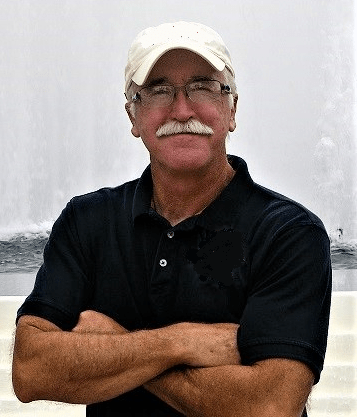
I love to write!! From a very early age, I was smitten by the written word. A well-turned phrase or a beautifully constructed song lyric can have a deeply emotional impact on me. I’m not sure any of my writing will have a deeply emotional impact, but I believe you will find it entertaining and, in some cases, educational.
A little about myself: Although I grew up in the area around Birmingham, Alabama, (specifically Hueytown) I was always fascinated with the ocean. Some of my earliest memories are of me lying in the water with a dive mask, watching small fish darting around in the surf, searching for shells and starfish, and getting incredibly sunburned at Gulf Shores, Alabama, and Panama City Beach, Florida. Those family vacations at the beach instilled in me a love for the ocean, and after graduating from The University of Alabama, Birmingham, I decided to pursue a degree in marine biology. I chose the University of South Alabama for my Master’s degree in marine biology and went on to earn my PhD degree in Oceanography at the University of South Florida, St. Petersburg. I studied sharks around Dauphin Island, Alabama, and also in Tampa Bay and in the Florida Keys. I was a Professor of Biology for 35 years at Ole Miss and am now an Emeritus Professor and now live in Oxford, Mississippi. Some of my most notable professional accomplishments were helping about 20 graduate students earn their MS and PhD degrees, serving as Founding Director of the Center for Biodiversity and Conservation Research, receiving millions of dollars in research funding, and having my research recognized by two Governors of Mississippi, The Walton Foundation, The US Army Corps of Engineers, The National Marine Fisheries Service, NOAA, The World Wildlife Fund, The Rolex Corporation, and The MS Chapter of the American Fisheries Society. I also testified before the US Congress regarding shark conservation and was a TED Presenter, both of which can be found online: Address to Congress: https://youtu.be/uTHekTWf_v4 TED Talk: https://www.youtube.com/watch?v=2aS1gRuWcTw
My novels and educational books can be found below. My newest novel, Night Fishing, is available now for purchase. I should note that some of the events described in Night Fishing actually took place while I was studying sharks at USF, and Dauphin Island is the setting for the majority of Night Fishing. I will let you try to figure out which events actually occurred and which ones are fictional. You will also find two of my educational books below, one about sharks and one about fish biology. I list them here in case there are folks who might want to delve into those topics. I hope you enjoy my books.
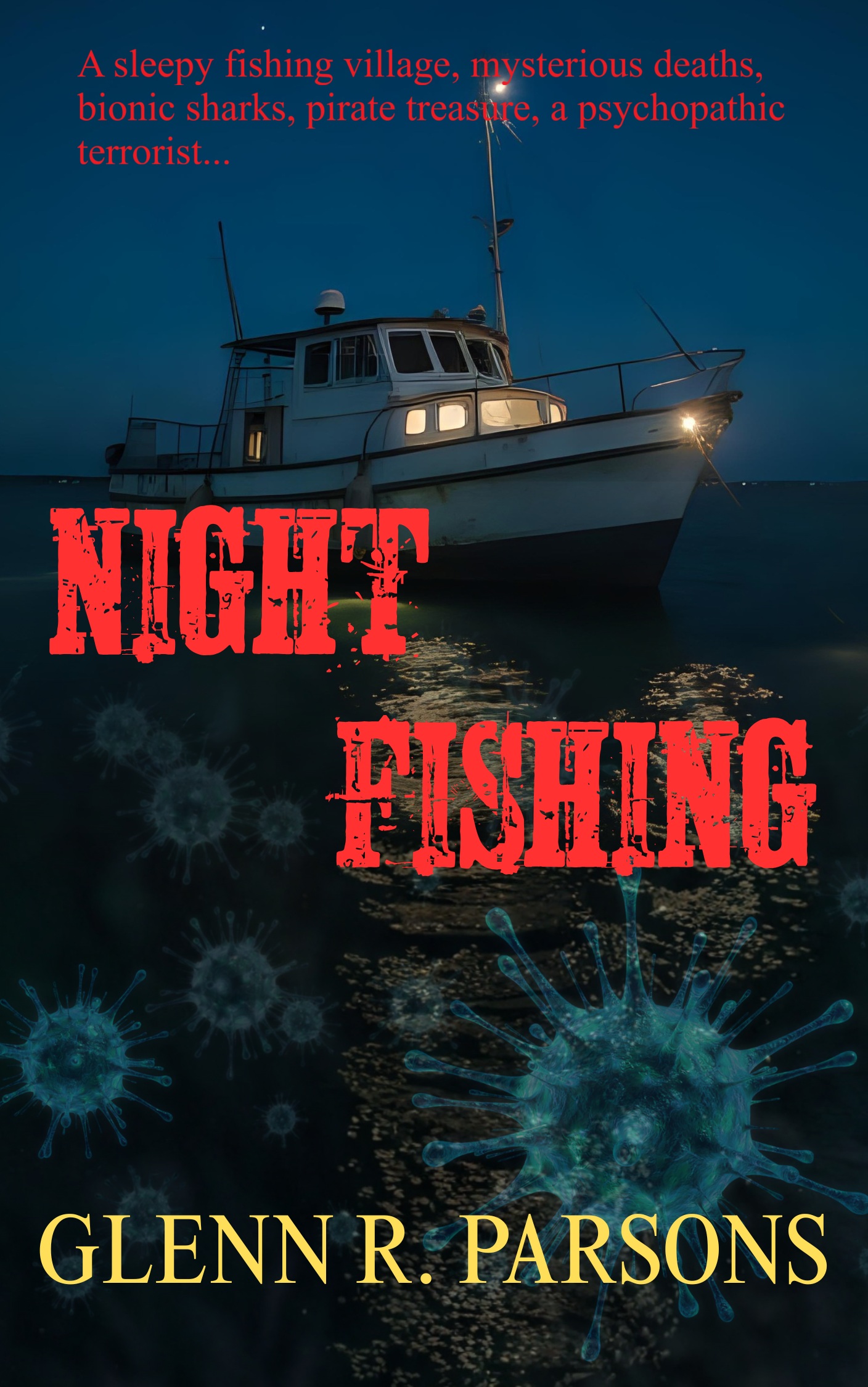
Night Fishing, my most recent work, is a thriller that was woven together using a number of events that happened to me while I was working on my graduate degrees in Marine Science. To be clear, one of the main characters, Jesse Gates, has some of my traits, both good and bad, but he is definitely not me. I wanted Night Fishing to be a Crighton-esque kind of novel. The story starts on-board a shrimp boat when tragedy strikes. The setting moves to the jungles of Belize and finally to Dauphin Island, Alabama, a sleepy fishing village, that is rocked by a series of mysterious, gruesome deaths. Jesse Gates, a marine biology graduate student, Cherie Belon, a CDC agent, and Sheriff Robert West race to discover the cause of the deaths. Bionic sharks, pirate treasure, a psychopathic terrorist, and a Category-5 hurricane collide in this edge-of-your-seat thriller. Hardcover- $24.99 . Paperback- $18.99 (plus shipping and handling, 409 pages). You will find Chapter 1 below. See below to order. All proceeds from the sale of Night Fishing will be donated to the Tim Tebow Foundation.
Praise for Night Fishing: “Great book. Everything you need in a thriller. Surprising plot twists. Good job of creating tension. Characters are well drawn. Pacing is steady. Thought provoking. Plenty of action.”
Cherokee Summer, a young adult novella, follows two young boys on a humorous but perilous journey across rural Alabama. The book contains important life lessons like dignity, understanding, faith, and commitment, and is appropriate for 14-year-olds and above. Critiqued by a number of folks on Amazon, it received all 5-star reviews! Some excerpts from the reviews can be found below. Set in 1960s Alabama, two young boys learn the ways of nature after they are befriended by an elderly Native American. Through various misadventures, the youngster’s bond with the last Cherokee in north Alabama. After a summer of giant catfish, Native American ceremony, and unforgettable characters, the boys make a solemn vow that sends them across rural Alabama towards an unknown fate. This novella is appropriate for the 14-year-old to adult reader. Paperback- $12.99 (plus shipping and handling, 148 pages).
I am really excited about the novel I am writing now, The Road Through Ruin: Remembrances of a Boy Soldier. I’ve always wanted to write a historical novel and I chose a story that is very loosely based on my great grandfather, G.B. Parsons. The main character, Lucius Carlisle McClain, is called to fight for the Confederacy at the tender age of 16. His journey begins after being captured and placed in the POW camp on Ship Island. I hope to have this novel complete by the end of the year.
The Road Through Ruin
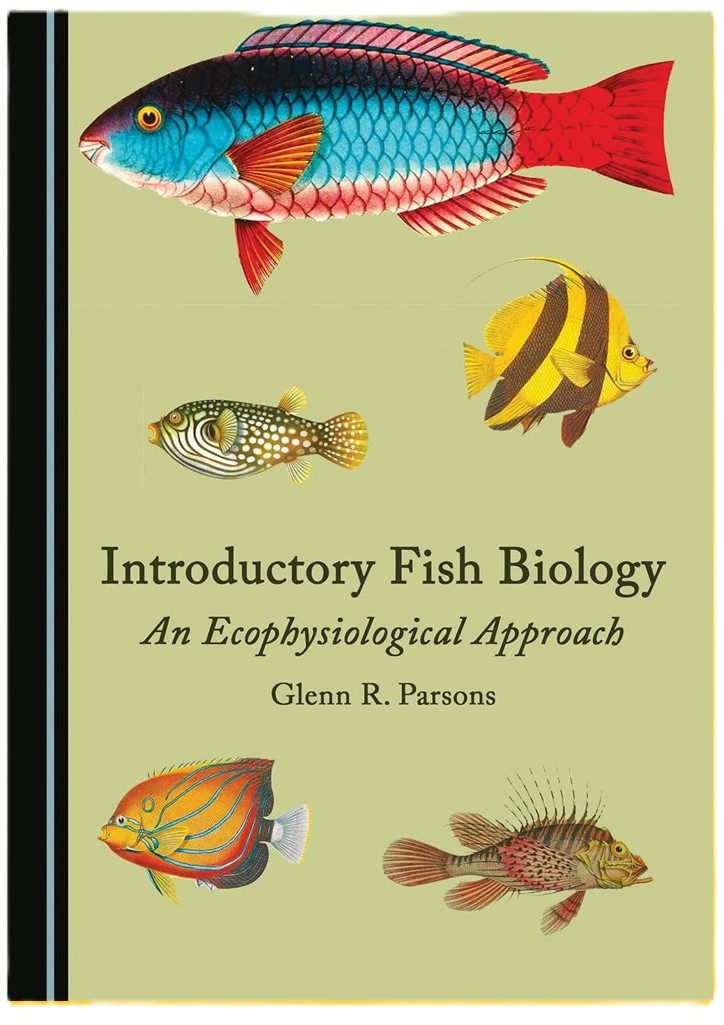
Drawing on the author’s 35 years of experience in teaching freshman biology, fish biology, shark biology, ichthyology, physiology, and oceanography, as well as over 40 years as a researcher of shark biology, this book brings a wealth of knowledge and experience to bear on the topic of the biology of fishes. Written with an emphasis on clarity, the book contains almost 300 high-quality photographs, figures, and diagrams, as well as over 450 primary literature sources. It reflects the most recent research and trends in fish biology, and will be a welcome addition to any introductory fish biology class. A textbook suitable for upper-level and graduate courses. Available from Cambridge Scholars Publishing, UK.
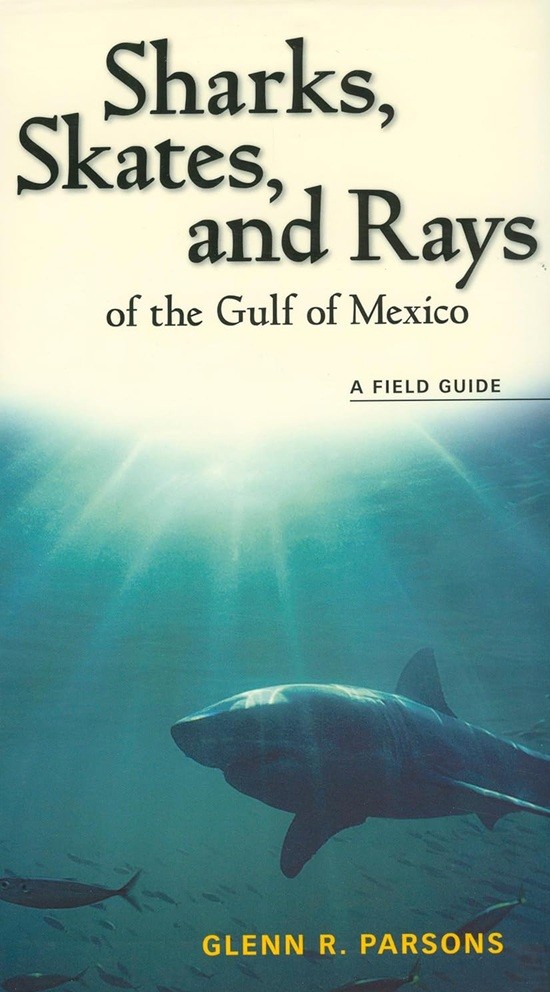
This guidebook covers almost all the species of sharks and rays that cruise Gulf waters, from the abundant, shallow-dwelling finetooth shark and the amazing electric ray, to the deep-dwelling goblin shark. Color photography, line drawings, and easily understood keys developed exclusively for this book help the reader quickly identify species. In addition to general information on reproduction, sensory systems, feeding, and other aspects of marine biology, there is practical information on how to reduce the risk of shark attack, how to prevent and treat stingray wounds, and how to safely catch, handle, and release a shark. Available from University Press of Mississippi.
All books are available through your local bookstore, on Amazon, or directly from the author. For autographed and personalized copies, please contact Glenn at glennp1776@gmail.com or via Facebook messenger.
Books may be purchased from your local bookstores, from Amazon (see above), or directly from the author.
When can I expect the next novel?
The next novel should be available at the end of the year (2026). A historical novel entitled The Road Through Ruin, it follows a boy soldier as he tries to return home after escaping from the Prisoner of War Camp on Ship Island, Mississippi. The novel is loosely based on the Civil War experiences of the author’s great grandfather.
How can I purchase signed and/or personalized copies?
Signed and personalized copies are available directly from the author by contacting him at: glennp1776@gmail.com.
Are there plans for book signings?
Yes. Book signings will be scheduled with the first one taking place on Dauphin Island, possibly at The Dauphin Island Estuarium. Check back for
AN EXCERPT FROM NIGHT FISHING:
CHAPTER 1
June 23, 1989. Northern Gulf of Mexico, F/V Crimson Tide, 40 miles south of Mobile Bay, Alabama, 4 AM
The tiger shark had followed the boat for several hours, first drawn by the low-frequency sounds that a working shrimp boat creates and further reinforced by the smell of dead and dying fish trailing behind. A twelve-foot female, too many days had passed without food, and she was ravenous. The thirty-eight pups she carried in her swollen belly were even hungrier. The crew working on the deck of the Crimson Tide knew that, on most nights, the dark waters around the fishing vessel swarmed with large, hungry sharks as the boat moved slowly at no more than a few knots.
Captain Tom Armstrong turned the bow of the vessel upwind into the 4-foot seas that had been building since midnight, attempting to provide some relief for his crew working on the back deck. An 18-knot southeast wind was a little worrisome. He punched the button on the VHF radio to check the weather forecast and took a sip from a cup of cold, bitter coffee. Standing in the darkened wheelhouse, the only lights being the green glow of the navigational electronics, he steered the vessel between the brightly lit gas rigs that now dotted the waters of the Gulf of Mexico.
Like most commercial fishermen, Captain Tom was an independent spirit, gladly accepting the tough, dangerous working conditions for the freedom of the open seas. Tom was built like a steam locomotive—short, muscular, with a drill-sergeant jawline and silver hair. He wore a University of Alabama ball cap, a red T-shirt, yellow farmer-john foul-weather gear, and dirty white shrimper boots, the standard footwear for all fishermen along the Gulf Coast. Tom was straight as an arrow and no-nonsense. Tom glanced at the dimly lit photo of his wife and kids on the console and smiled; a reminder that he had a family to support, and nothing was more important than that. He was arguably the best shrimper in the northern Gulf of Mexico.
The strain on the rigging and winches demonstrated Captain Tom’s remarkable skill in locating shrimp. This was yet another large haul, and after the four trawl nets were emptied onto the rolling deck, the crew would spend at least the next hour sorting shrimp. After a series of maneuvers, the trawl bags were hanging suspended above the rear deck. A few tugs on the bag tie-offs caused the contents of the trawl to spill out across the bright, white deck.
Retrieving the nets or “haul-back” could be dangerous business, and all hands had to be aware of what was happening around them. The risks on deck were only exceeded by the hazards of falling overboard. Like Pavlov’s dogs, the sounds and smells of decades of shrimp trawling in these waters had conditioned sharks to follow the vessels, their reward being a free meal as hundreds of pounds of unwanted “trash” fish were shoveled overboard.
“Hold what you got!” yelled Chris, as the four huge trawl bags, swinging slowly in time with the rolling boat, dripped slimy water across the deck. The rear deck where the men worked was awash in the glaring lights set high in the boat’s rigging. The light sparkled jewel-like from the sides of the thousands of fish trapped in the trawl netting, their deciduous scales falling like snowflakes onto the deck.
Chris Franklin was Tom’s best deck hand and had worked on the Crimson Tide for 8 years. A native of Pascagoula, Mississippi, Chris had worked in and around shrimp boats since he was a small boy and knew no other occupation. Tall, wiry, and heavily tattooed, years of chain-smoking, hard-drinking, and two failed marriages had left Chris with two estranged kids, a chronic cough, and one testicle. Lately, the 10 or so days at sea were the only time when he took a sober breath. Captain Tom had come to accept the fact that the first few days on board would be tough for Chris, but a bit of “drying out” would see him morph into a different person and an excellent deckhand.
The cook and second mate, Carlos Flores, set the brake on the huge winch, sending a shudder through the entire vessel. Easygoing and an extremely hard worker, Carlos was dark-complexioned, about five feet tall, and almost the same width. Close-cropped, dark hair, and hands the size of catcher’s mitts, Carlos wore a plain white t-shirt and khaki work pants cut off at the knee. An emigrant to the U.S. from Cuba, his father had worked the fishing fleets in the Caribbean, and it seemed natural that Carlos would do the same. The three men formed a veritable “shrimping machine.”
“Gordo!” barked Chris over the thrum of the diesel engines, using the second mate’s nickname, “Dump the port trawls first!”
Carlos grabbed the tie-offs and quickly jerked the bags open, whereupon a myriad of sea creatures flooded the deck: stingrays, fish, small sharks, crabs, starfish, and, of course, shrimp. Carlos had learned years ago that you had to be careful when handling many of the animals that fell from the trawl. Mantis shrimp, odd-looking creatures that shrimpers called thumb-splitters, could inflict a serious wound; blue crabs could almost pinch a finger off, and if you were stuck by a stingray or catfish spine, the wound could fester and, at best, you could be laid up for days, or at worst, you could lose a limb.
The two men grabbed several trawl baskets and squatted on deck to begin the tedious sorting process. The shrimp were tossed into the baskets according to their size, and the rest of the catch was directed out of the scuppers and into the sea. Sharks that circled the boat gorged themselves as they slashed through the cloud of dead and dying fish that drifted on the ocean surface.
Captain Tom stood in the wheelhouse and spoke over the ship’s hailing system. “How does it look?”
“Damn good!” Over the noise, Chris had to yell toward the bi-directional speaker that allowed communication to and from the wheelhouse. “I’m guessing about five baskets, mostly white shrimp, sixteen to twenty count.”
“We should be finished with this trawl in about thirty minutes,” said Carlos as he tossed a particularly feisty crab overboard.
“If this wind continues to pick up, we might have to cut this night short and drop anchor,” said Tom. “I don’t want Gordo to fall overboard and give some shark a stomachache. Probably some kind of gov’ment regulation against that.”
“I don’t think sharks like Cuban food anyway,” quipped Chris.
“I think they like Gringos better,” retorted Carlos weakly. He noticed Chris’s hands shaking as he sorted shrimp from “trash”. “You OK amigo?”
“Yeah. I’m struggling some, but I’ll be over it soon enough. I could use a shot, or five, of whiskey. But that ain’t happening.”
“When we finish, I will make you a drink that we use in Cuba that helps.”
“You got some rum stashed somewhere?”
“No, no. It has tomato juice, pineapple juice, coconut water, tabasco, apple cider vinegar, salt, ginger, and cilantro.”
“Oh yeah, that sounds wonderful. Look at the size of this bad boy!” said Chris, holding up a very large shrimp.
“What’s the largest tiburón you’ve ever seen?”
“English, buddy, English,” scolded Chris.
“Sorry, what’s the largest shark you’ve ever seen?”
“That would be old Hitler, an albino Great hammerhead that hangs out around the Sunshine Skyway Bridge in St. Petersburg, Florida. I was fishing that bridge when he came to the surface and scarfed my bait. That son-of-a-bitch was 25 feet long, if he was an inch and pure white. His hammer was this wide.” Chris held his arms out as wide as he could reach.
“Hold tight!” shouted Tom through the hailing system as The Tide plowed through a large wave, sending a shower of water down on the men.
“Qué fuerte!” exclaimed Carlos. “That’s cold. Captain, why don’t you see if you can find a smoother road than this one!”
“I’ll see what I can do. How much longer before that deck is cleared?”
“Almost finished with the port trawls,” said Chris. “We’ll dump the starboard trawls directly. I reckon we will be finished just before sunup.”
“Let me know as soon as you have things squared away back there. I’m gonna slowly steam for calmer waters. We got more weather coming in, and it’s gonna get worse.”
Tom set a course for the Mississippi Sound and turned on the autopilot. A navigational device, the autopilot holds a particular course indefinitely but requires human intervention to navigate between islands, through channels, and around buoys.
“Works for me.” Carlos grabbed a shovel and began heaving the last remains of the trawl into the sea. He stood for a moment gazing overboard as an unusually large tiger shark, its muscular flanks dappled with grey stripes, rose into the lit surface water and leisurely grabbed several floating fish. A cold chill crept through him as the dark shape disappeared back into the depths from where it came.
“Dios Mio!! You’re a big one!” Carlos crossed himself and uttered a short prayer of contrition.
“Go ahead and dump the starboard trawls.” Chris’s command snapped Carlos out of his macabre thoughts.
Carlos walked to the starboard side of the vessel, pulled the tie-off on one of the two remaining trawls, and the contents spilled out. As the bag emptied, a barnacle-encrusted, metallic cylinder fell from the net and clattered across the steel deck. The impact triggered an internal mechanism that opened a valve, releasing its pressurized contents.
“What the hell!?” Carlos instinctively stepped away from the strange object. “That damn thing is making a hissing sound!”
Chris was paying no attention to the events on the back deck as he placed the freshly sorted shrimp in the salt-bath chiller that would instantly freeze the catch before they would be stored in the ice-filled hold. The Crimson Tide had an unusually large chiller, testimony to Captain Tom’s shrimping ability.
Carlos bent over to get a better look at the object. “Do you smell that?” Despite the wind, an overpowering, unusual smell enveloped the rear deck.
Carlos shouted over the din of diesel engines and the gathering storm. “CHRIS! Take a look at this thing.”
“What the hell?” An impatient Chris walked back to the rear deck to stand next to Carlos.
Carlos pointed at the mysterious object that lay among the dead fish on deck. “That thing was making a noise. I don’t like this worth a damn! Did you smell that?”
Chris nudged the cylinder with the toe of his white, shrimpers’ boot. “I don’t hear nothing, and I smell fish….go figure? It’s just trawl-trash. Probably fell off a tanker. Toss it overboard and let’s finish up. I’m hungry, and my bunk is calling my name.”
“I’m not getting near that thing!”
“Oh, good Lord.” Chris hefted the cylinder overboard and then returned to his task. As it hit the water, another valve opened, and a stream of bubbles trailed from the object as it dropped into the silent depths.
Suddenly, loud music blared from the ship’s hailing system, causing both men to start, as Captain Tom tuned to the country station broadcasting out of Biloxi.
Johnny Cash’s “Ring of Fire” baritone boomed from the speakers.
“DIOS MIO!” exclaimed Carlos, whose nerves were now on edge. Carlos’s heart raced and pulse quickened. Adrenaline flooded into his circulatory system, preparing his rotund body to fight or to flee. Just as suddenly, a sickening nausea swept through his gut, and his body temperature began to rise. Air rattled in and out of his lungs with each labored breath. Beads of glistening sweat appeared on his face and arms. A dazed look spread across Carlos’s face, and his normally tanned complexion turned ghastly pale. Carlos’s hands began to tremble uncontrollably, and waves of spasmodic muscle contractions wracked his entire body.
“Gordo, hand me those baskets.”
Unable to speak, Carlos said nothing.
“Carlos! What’s wrong?” said Chris, shocked by the sudden change in his appearance.
“I………I………AHHHHHHHHHHHH.” A gut-wrenching scream cut through the din of diesel engines and pounding waves. Carlos lost bladder and bowel control simultaneously. A quivering mass of flesh, he fell across the ship’s railing and heaved dark, clotted blood into the blue Gulf waters. Blood seeped from every orifice, soaking through his clothing, splashing onto the stark white deck, and mingling with the fish slime and water.
Even without the two-way communication system, Captain Tom would have heard Carlos’ tortured scream in the wheelhouse.
“What in God’s name!?” Tom almost jumped from the captain’s chair. A cold chill ran up his spine as he rushed out of the wheelhouse toward the rear deck.
Carlos stood on shaky legs, turned toward Chris, and mumbled something unintelligible. Chris ran toward him and tried to catch him as he fell toward the railing again. Carlos projectile vomited blood and bits of flesh that splashed across the pile of unsorted catch and covered Chris. He drew back in revulsion. As the boat rolled, the bloodied heap that was Carlos tumbled overboard just as Tom pushed through the rear door of the ship.
The sight that met Tom was horrific. Chris stood on the rear deck covered in carnage, his body now also wracked in convulsions. The reddening sky of dawn seemed to accentuate the hellish scene. Chris’s arms outstretched and his contorted face framed by the blood-red sky, a primal scream pierced the early morning. Tom caught Chris just before he fell to the deck, lowering him slowly onto the pile of fish. As Tom knelt beside his dying friend, the boat rolled, and blood that had pooled on deck sloshed out the scuppers and streamed down the side of the ship as Johnny Cash continued to sing.
The bloody red cloud mixed with the white wake of the ship as the autopilot steered the vessel toward the glaring lights of the casino coast.
Carlos’ body slowly descended in the silent depths as the cloud of blood carried down-current. The tiger shark trailing the vessel hungrily picked up the dead and dying fish that rained down from the surface, but it was not sated. Now sensing something altogether different, the shark first bumped the object to test its palatability and then slammed into it, rending a bloody piece of flesh from the torso.



 Books By Glenn